Reishi’s traditional use is not proof that a particular tea treats disease. Research involves different preparations and populations. Choose a drink for its labeled ingredients and flavor; treat supplement decisions as a separate conversation.
First decide what you are shopping for
Reishi can appear as woody slices, powder, extracts and formulated drinks. The first useful distinction is the experience you want: a simmered ingredient, a convenient prepared product or a supplement. The same species name on the front of a pack does not make those choices interchangeable. A slice suitable for a long preparation is not a tender mushroom to add casually to dinner, and a concentrated formulation should not be measured as though it were ordinary cocoa.
Traditional use and a clinical result are different facts
Memorial Sloan Kettering’s reishi overview describes traditional use and a range of laboratory and clinical research. It also identifies clinical results that do not support particular proposed uses. For example, randomized trials have not supported its use for reducing cardiovascular risk factors associated with type 2 diabetes. That is a specific research limitation, not a verdict about whether someone may enjoy a bitter drink. It is also a reason not to market a cup as disease prevention. [Source 1]
Why bitterness does not measure effectiveness
A strong bitter taste tells you something about the sensory experience. It does not tell you the amount of a particular compound, whether the contents match the label or what effect the product will have on a person. Adding cacao changes the flavor balance without validating a health claim. If the drink is unpleasant, there is no need to force it into a routine because an advertisement equates bitterness with strength. Choose a preparation you understand and actually enjoy.
Safety belongs before the routine
The MSK resource lists possible adverse effects, including nausea, insomnia and liver injury, and cautions about blood thinners and immunosuppressants. These points are especially relevant to supplement use. A pharmacist or clinician can review the complete product and medication list. Do not rely on a seller’s general statement that mushrooms are natural, and do not stop or adjust a prescribed treatment to make room for a mushroom product. [Source 1]
Questions that produce a useful label comparison
Look for the identified ingredient, its form, the amount per serving and the complete blend composition. Ask whether preparation requires simmering or whether the product is ready for a cup. If you are comparing an extract with whole slices, request enough information to understand the difference rather than ranking products by one large number. Keep a copy of the final label, especially when the product is part of a mixture with other herbs or mushrooms.
Where Liona’s plans stand
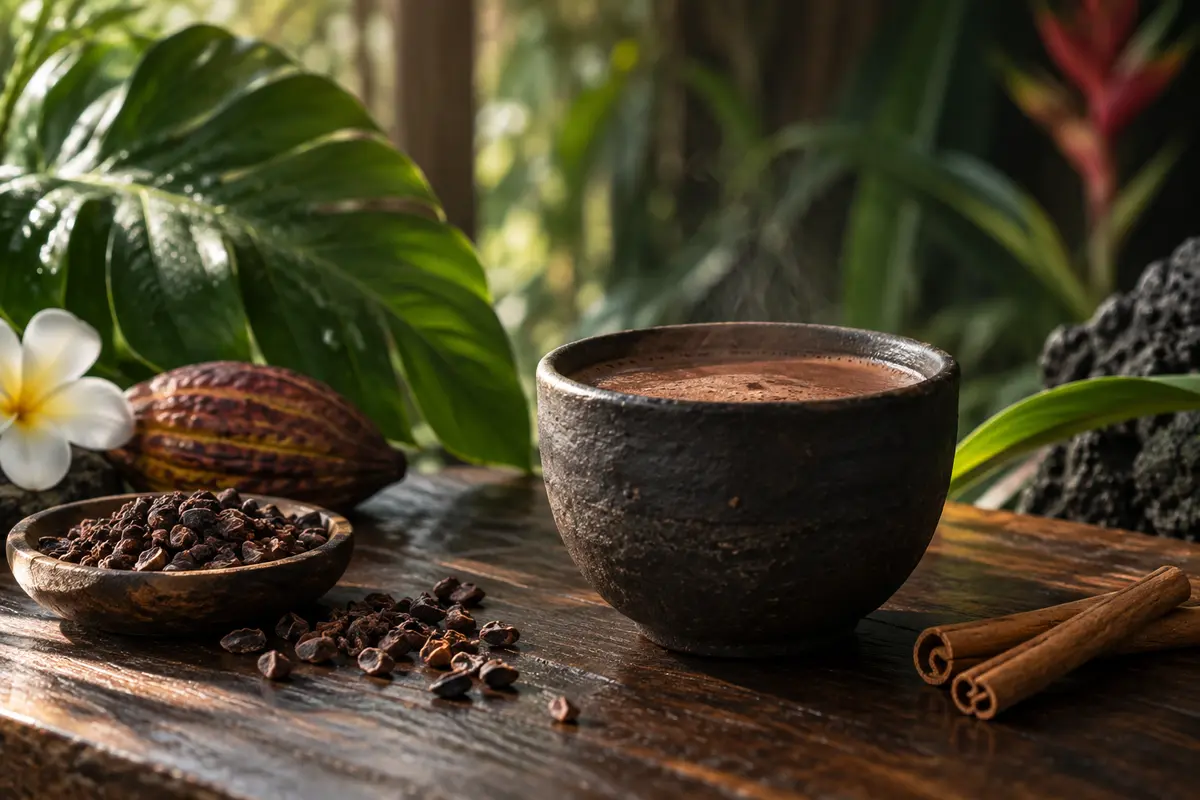
Our reishi cacao idea is a product concept, not a tested formula or a validated sleep product. Final ingredients, preparation and availability must be established before sales. For now, the useful part of the site is learning how to distinguish formats and read claims. A warm drink can be a pleasant part of an evening without being advertised as a sedative, an immune treatment or a substitute for medical care.
Sources & editorial notes
Sources reviewed September 22, 2026. Our practical comparisons and planning suggestions are editorial guidance. Research references do not endorse Liona, establish benefits for our products, or replace individual medical advice. Recipes and serving illustrations are not independently kitchen-tested.